Buy 㽍.com ?
We are moving the project
㽍.com .
Are you interested in purchasing the domain
㽍.com ?
domain@kv-gmbh.de · 0541-91531010
Buy 㽍.com ?
What is buoyancy?
Buoyancy is the ability of an object to float in a fluid, typically water or air. It is determined by the relationship between the object's weight and the amount of fluid it displaces. If an object is less dense than the fluid it is in, it will float, while if it is more dense, it will sink. Buoyancy is what allows boats and ships to float on water and hot air balloons to rise in the air. **
What is buoyancy 2?
Buoyancy 2 refers to the ability of an object to float or be supported by a fluid, typically water. It is determined by the relationship between the weight of the object and the upward force exerted by the fluid it is submerged in. If the object is less dense than the fluid, it will float; if it is more dense, it will sink. Buoyancy 2 plays a crucial role in various fields such as engineering, naval architecture, and physics. **

Similar search terms for Buoyancy
Top-Angebote
Products related to Buoyancy:
-
Universal Stock Shark Fin Dog Life Vest High Buoyancy Dog Swimming Vest With Rescue Handle aGive your furry friend the confidence to enjoy every splash with our 1 pc of Dog life vest, designed to keep pets safer and more comfortable during water adventures. Whether you're heading to the beach, lake, pool, or boat, this fun sharkfin design...49,97 $*Shipping: 0,00 $Secure redirect to the provider
-
Multisell Products Hub Cute Animal Statues, Ceramic Turtle Tea Set Filter, Chinese Kung Fu Tea Set For Decoration Cute Animal Statues, Ceramic Turtle Tea Set Filter, Chinese Kung Fu Tea Set For DecorationAdd a Touch of Elegance to Your Home This Ceramic Turtle Tea Set Filter brings a unique charm to your tea time. Crafted with intricate details, it features a cute animal statue in the form of a turtle. Ideal for those who appreciate both Chinese...53,97 $*Shipping: 0,00 $Secure redirect to the provider
-
Rare Purchases Five Elements Ceramic Kung Fu Tea Set, Ceramic Mug, Tea Bowl Set, Chinese Master Cup, Ceramic Teacup, Household Gift cElevate your tea experience with the Ceramic Kung Fu Tea Set, a masterpiece that brings together artistry and functionality. This traditional Five Elements Cup set is designed for true tea enthusiasts who appreciate the craft of tea brewing. Whether...109,97 $*Shipping: 0,00 $Secure redirect to the provider
-
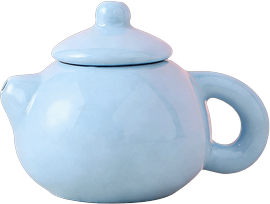
The Handy Homestead Mini Porcelain Teapot Traditional Chinese Style Ceramic Tea Ornament & Home Decor blueDelight in a moment of timeless beauty with this exquisite Chinese style teapot decor piece designed for lovers of culture and refined aesthetics. Crafted with delicate floral motifs and premium ceramic, this mini teapot brings an elegant,...34,97 $*Shipping: 0,00 $Secure redirect to the provider


-
What does buoyancy depend on?
Buoyancy depends on the density of the fluid and the volume of the object submerged in the fluid. When an object is placed in a fluid, the fluid exerts an upward force on the object, which is known as the buoyant force. This force is equal to the weight of the fluid displaced by the object. Therefore, the buoyancy of an object depends on the density of the fluid and the volume of the object, as these factors determine the amount of fluid displaced and the buoyant force exerted on the object. **
-
What is buoyancy in physics?
Buoyancy in physics refers to the upward force exerted by a fluid that opposes the weight of an object immersed in it. This force is a result of the pressure difference between the top and bottom of the object. Objects will float if their weight is less than the buoyant force acting on them, and sink if their weight is greater. Buoyancy plays a crucial role in determining whether objects float or sink in fluids such as water. **
-
How is buoyancy calculated in physics?
Buoyancy is calculated in physics using Archimedes' principle, which states that the buoyant force acting on an object immersed in a fluid is equal to the weight of the fluid displaced by the object. The buoyant force can be calculated by multiplying the density of the fluid, the acceleration due to gravity, and the volume of the fluid displaced by the object. By comparing the buoyant force to the weight of the object, one can determine whether the object will float, sink, or remain suspended in the fluid. **
-
How is buoyancy created in water?
Buoyancy in water is created by the upward force exerted by the water on an object placed in it. This force is known as the buoyant force and is a result of the pressure difference between the top and bottom of the submerged object. The pressure at the bottom of the object is higher than at the top, causing a net upward force. This buoyant force is equal to the weight of the water displaced by the object, allowing it to float or be pushed upward when submerged. **

How does buoyancy work in space?
Buoyancy in space works differently than on Earth because there is no gravity to create the upward force. In microgravity environments, objects appear to be weightless and do not experience the same buoyant forces as they would in a fluid on Earth. However, in a spacecraft or space station, air circulation and ventilation systems can create air currents that can affect the movement of objects, creating a form of "buoyancy" in the absence of gravity. Additionally, the concept of buoyancy is still relevant in the design and operation of spacecraft and space equipment, as engineers must account for the effects of microgravity on the behavior of fluids and gases. **
What is the law of buoyancy?
The law of buoyancy, also known as Archimedes' principle, states that an object immersed in a fluid experiences an upward force equal to the weight of the fluid it displaces. This means that an object will float if it is less dense than the fluid it is immersed in, and it will sink if it is more dense. The buoyant force is what allows objects to float in water and is the reason why ships and other heavy objects can stay afloat. **
Top-Angebote
Products related to Buoyancy:
-
The Handy Homestead Mini Porcelain Teapot Traditional Chinese Style Ceramic Tea Ornament & Home Decor whiteDelight in a moment of timeless beauty with this exquisite Chinese style teapot decor piece designed for lovers of culture and refined aesthetics. Crafted with delicate floral motifs and premium ceramic, this mini teapot brings an elegant,...34,97 $*Shipping: 0,00 $Secure redirect to the provider
-
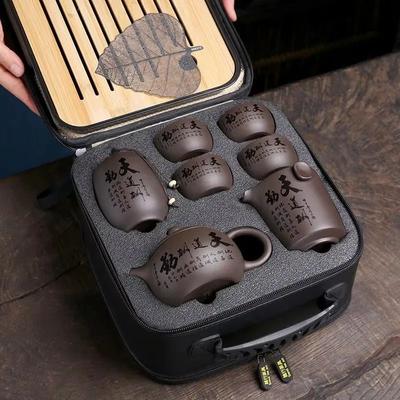
Inspire Select Portable Ceramic Kung Fu Tea Set With Travel Bag Traditional Chinese Gaiwan Tea Ceremony Set with TextBring the elegance of tradition wherever life takes you with this beautifully crafted portable Kung Fu tea set. Designed for tea lovers who value authenticity and convenience, this refined ceramic tea ceremony set includes a classic gaiwan and...132,99 $*Shipping: 0,00 $Secure redirect to the provider
-
Universal Stock Shark Fin Dog Life Vest High Buoyancy Dog Swimming Vest With Rescue Handle aGive your furry friend the confidence to enjoy every splash with our 1 pc of Dog life vest, designed to keep pets safer and more comfortable during water adventures. Whether you're heading to the beach, lake, pool, or boat, this fun sharkfin design...49,97 $*Shipping: 0,00 $Secure redirect to the provider
-
Multisell Products Hub Cute Animal Statues, Ceramic Turtle Tea Set Filter, Chinese Kung Fu Tea Set For Decoration Cute Animal Statues, Ceramic Turtle Tea Set Filter, Chinese Kung Fu Tea Set For DecorationAdd a Touch of Elegance to Your Home This Ceramic Turtle Tea Set Filter brings a unique charm to your tea time. Crafted with intricate details, it features a cute animal statue in the form of a turtle. Ideal for those who appreciate both Chinese...53,97 $*Shipping: 0,00 $Secure redirect to the provider
-
What is buoyancy?
Buoyancy is the ability of an object to float in a fluid, typically water or air. It is determined by the relationship between the object's weight and the amount of fluid it displaces. If an object is less dense than the fluid it is in, it will float, while if it is more dense, it will sink. Buoyancy is what allows boats and ships to float on water and hot air balloons to rise in the air. **
-
What is buoyancy 2?
Buoyancy 2 refers to the ability of an object to float or be supported by a fluid, typically water. It is determined by the relationship between the weight of the object and the upward force exerted by the fluid it is submerged in. If the object is less dense than the fluid, it will float; if it is more dense, it will sink. Buoyancy 2 plays a crucial role in various fields such as engineering, naval architecture, and physics. **
-
What does buoyancy depend on?
Buoyancy depends on the density of the fluid and the volume of the object submerged in the fluid. When an object is placed in a fluid, the fluid exerts an upward force on the object, which is known as the buoyant force. This force is equal to the weight of the fluid displaced by the object. Therefore, the buoyancy of an object depends on the density of the fluid and the volume of the object, as these factors determine the amount of fluid displaced and the buoyant force exerted on the object. **
-
What is buoyancy in physics?
Buoyancy in physics refers to the upward force exerted by a fluid that opposes the weight of an object immersed in it. This force is a result of the pressure difference between the top and bottom of the object. Objects will float if their weight is less than the buoyant force acting on them, and sink if their weight is greater. Buoyancy plays a crucial role in determining whether objects float or sink in fluids such as water. **
Similar search terms for Buoyancy
-
Rare Purchases Five Elements Ceramic Kung Fu Tea Set, Ceramic Mug, Tea Bowl Set, Chinese Master Cup, Ceramic Teacup, Household Gift cElevate your tea experience with the Ceramic Kung Fu Tea Set, a masterpiece that brings together artistry and functionality. This traditional Five Elements Cup set is designed for true tea enthusiasts who appreciate the craft of tea brewing. Whether...109,97 $*Shipping: 0,00 $Secure redirect to the provider
-
The Handy Homestead Mini Porcelain Teapot Traditional Chinese Style Ceramic Tea Ornament & Home Decor blueDelight in a moment of timeless beauty with this exquisite Chinese style teapot decor piece designed for lovers of culture and refined aesthetics. Crafted with delicate floral motifs and premium ceramic, this mini teapot brings an elegant,...34,97 $*Shipping: 0,00 $Secure redirect to the provider
-
The Handy Homestead Mini Porcelain Teapot Traditional Chinese Style Ceramic Tea Ornament & Home Decor royalblueDelight in a moment of timeless beauty with this exquisite Chinese style teapot decor piece designed for lovers of culture and refined aesthetics. Crafted with delicate floral motifs and premium ceramic, this mini teapot brings an elegant,...34,97 $*Shipping: 0,00 $Secure redirect to the provider
-
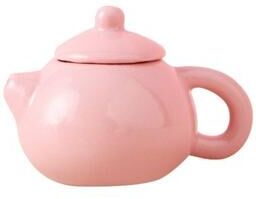
The Handy Homestead Mini Porcelain Teapot Traditional Chinese Style Ceramic Tea Ornament & Home Decor pinkDelight in a moment of timeless beauty with this exquisite Chinese style teapot decor piece designed for lovers of culture and refined aesthetics. Crafted with delicate floral motifs and premium ceramic, this mini teapot brings an elegant,...34,97 $*Shipping: 0,00 $Secure redirect to the provider
-
How is buoyancy calculated in physics?
Buoyancy is calculated in physics using Archimedes' principle, which states that the buoyant force acting on an object immersed in a fluid is equal to the weight of the fluid displaced by the object. The buoyant force can be calculated by multiplying the density of the fluid, the acceleration due to gravity, and the volume of the fluid displaced by the object. By comparing the buoyant force to the weight of the object, one can determine whether the object will float, sink, or remain suspended in the fluid. **
-
How is buoyancy created in water?
Buoyancy in water is created by the upward force exerted by the water on an object placed in it. This force is known as the buoyant force and is a result of the pressure difference between the top and bottom of the submerged object. The pressure at the bottom of the object is higher than at the top, causing a net upward force. This buoyant force is equal to the weight of the water displaced by the object, allowing it to float or be pushed upward when submerged. **
-
How does buoyancy work in space?
Buoyancy in space works differently than on Earth because there is no gravity to create the upward force. In microgravity environments, objects appear to be weightless and do not experience the same buoyant forces as they would in a fluid on Earth. However, in a spacecraft or space station, air circulation and ventilation systems can create air currents that can affect the movement of objects, creating a form of "buoyancy" in the absence of gravity. Additionally, the concept of buoyancy is still relevant in the design and operation of spacecraft and space equipment, as engineers must account for the effects of microgravity on the behavior of fluids and gases. **
-
What is the law of buoyancy?
The law of buoyancy, also known as Archimedes' principle, states that an object immersed in a fluid experiences an upward force equal to the weight of the fluid it displaces. This means that an object will float if it is less dense than the fluid it is immersed in, and it will sink if it is more dense. The buoyant force is what allows objects to float in water and is the reason why ships and other heavy objects can stay afloat. **
* All prices are inclusive of VAT and, if applicable, plus shipping costs. The offer information is based on the details provided by the respective shop and is updated through automated processes. Real-time updates do not occur, so deviations can occur in individual cases. ** Note: Parts of this content were created by AI.