Buy 㽍.com ?
We are moving the project
㽍.com .
Are you interested in purchasing the domain
㽍.com ?
domain@kv-gmbh.de · 0541-91531010
Buy 㽍.com ?
What is Afghan traditional clothing?
Afghan traditional clothing varies depending on the region and ethnic group, but some common elements include loose-fitting garments such as the perahan tunban (a long shirt and trousers) for men and the shalwar kameez (a tunic and loose trousers) for women. These outfits are often made from colorful fabrics and feature intricate embroidery and embellishments. Additionally, men may wear a waistcoat called a waskat and a woolen cap known as a pakol, while women may wear a headscarf called a chador or a dupatta. Traditional Afghan clothing reflects the country's rich cultural heritage and is often worn during special occasions and celebrations. **
Is it worth buying traditional clothing?
It can be worth buying traditional clothing for several reasons. Traditional clothing often holds cultural significance and can be a way to connect with and honor one's heritage. Additionally, traditional clothing is often well-made and can be a unique addition to one's wardrobe. Supporting artisans and local communities who produce traditional clothing can also be a meaningful reason to invest in these pieces. Ultimately, the decision to buy traditional clothing depends on individual preferences and values. **

Similar search terms for Clothing
Top-Angebote
Products related to Clothing:
-
Multisell Products Hub Cute Animal Statues, Ceramic Turtle Tea Set Filter, Chinese Kung Fu Tea Set For Decoration Cute Animal Statues, Ceramic Turtle Tea Set Filter, Chinese Kung Fu Tea Set For DecorationAdd a Touch of Elegance to Your Home This Ceramic Turtle Tea Set Filter brings a unique charm to your tea time. Crafted with intricate details, it features a cute animal statue in the form of a turtle. Ideal for those who appreciate both Chinese...53,97 $*Shipping: 0,00 $Secure redirect to the provider
-
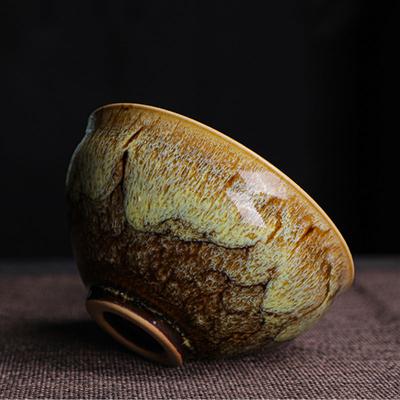
Rare Purchases Five Elements Ceramic Kung Fu Tea Set, Ceramic Mug, Tea Bowl Set, Chinese Master Cup, Ceramic Teacup, Household Gift bElevate your tea experience with the Ceramic Kung Fu Tea Set, a masterpiece that brings together artistry and functionality. This traditional Five Elements Cup set is designed for true tea enthusiasts who appreciate the craft of tea brewing. Whether...109,97 $*Shipping: 0,00 $Secure redirect to the provider
-
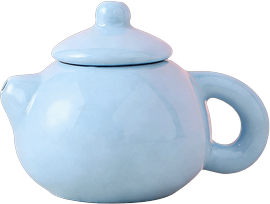
The Handy Homestead Mini Porcelain Teapot Traditional Chinese Style Ceramic Tea Ornament & Home Decor blueDelight in a moment of timeless beauty with this exquisite Chinese style teapot decor piece designed for lovers of culture and refined aesthetics. Crafted with delicate floral motifs and premium ceramic, this mini teapot brings an elegant,...34,97 $*Shipping: 0,00 $Secure redirect to the provider
-
The Handy Homestead Mini Porcelain Teapot Traditional Chinese Style Ceramic Tea Ornament & Home Decor whiteDelight in a moment of timeless beauty with this exquisite Chinese style teapot decor piece designed for lovers of culture and refined aesthetics. Crafted with delicate floral motifs and premium ceramic, this mini teapot brings an elegant,...34,97 $*Shipping: 0,00 $Secure redirect to the provider


-
What is this traditional clothing called?
This traditional clothing is called a kimono. It is a Japanese garment that is known for its long, flowing sleeves and wrap-around style. Kimonos are often worn for special occasions such as weddings, tea ceremonies, and festivals, and they come in a variety of colors and patterns. The kimono is a symbol of Japanese culture and is often cherished as a beautiful and elegant piece of clothing. **
-
What is the Afghan traditional clothing?
Afghan traditional clothing for men typically includes the perahan tunban, a long tunic paired with loose-fitting trousers, and a waistcoat or vest. The outfit is often completed with a turban or a pakol, a type of woolen hat. For women, traditional Afghan clothing includes the kameez, a long tunic worn over trousers, and a headscarf or chador. The clothing is often made from colorful and intricately embroidered fabrics, reflecting the rich cultural heritage of Afghanistan. **
-
When do you wear traditional clothing?
I wear traditional clothing during cultural events and celebrations, such as weddings, festivals, and religious ceremonies. I also wear traditional clothing on special occasions like holidays and family gatherings. Additionally, I may wear traditional clothing when I want to showcase and celebrate my cultural heritage. **
-
Can non-Asians wear traditional Asian clothing?
Yes, non-Asians can wear traditional Asian clothing as long as they do so respectfully and with an understanding of the cultural significance of the attire. It's important to approach traditional clothing with sensitivity and awareness of its cultural context, and to avoid appropriating or misrepresenting the culture. Many Asian cultures are open to sharing their traditional clothing with people from other backgrounds, as long as it is done in a way that honors and respects the heritage and traditions. **
What is the traditional clothing in Argentina?
The traditional clothing in Argentina varies by region, but one of the most iconic pieces of clothing is the gaucho attire. This includes wide-brimmed hats, bombachas (baggy trousers), and alpargatas (canvas shoes). In the northern regions, traditional clothing may include ponchos and colorful woven textiles, while in the southern regions, people may wear heavy woolen garments to protect against the cold climate. Overall, traditional Argentine clothing reflects the country's rich cultural heritage and diverse regional influences. **
Where can one buy traditional skinhead clothing?
Traditional skinhead clothing can be purchased from specialty shops that cater to the skinhead subculture. These shops can be found in certain neighborhoods or cities with a strong skinhead presence. Additionally, there are online retailers that specialize in selling traditional skinhead clothing and accessories. It's important to note that the skinhead subculture has a complex history and not all skinhead clothing is associated with the negative aspects of the subculture. **
Top-Angebote
Products related to Clothing:
-
The Handy Homestead Mini Porcelain Teapot Traditional Chinese Style Ceramic Tea Ornament & Home Decor royalblueDelight in a moment of timeless beauty with this exquisite Chinese style teapot decor piece designed for lovers of culture and refined aesthetics. Crafted with delicate floral motifs and premium ceramic, this mini teapot brings an elegant,...34,97 $*Shipping: 0,00 $Secure redirect to the provider
-
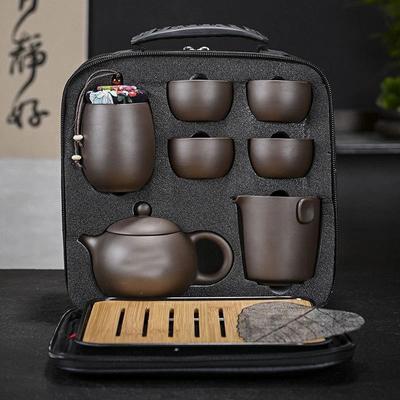
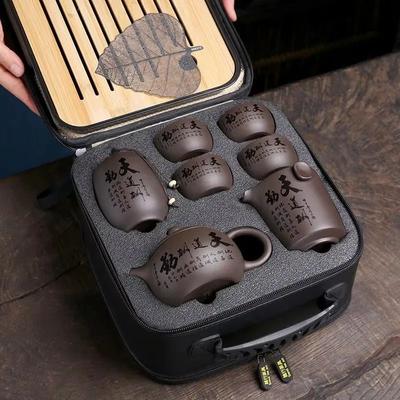
Inspire Select Portable Ceramic Kung Fu Tea Set With Travel Bag Traditional Chinese Gaiwan Tea Ceremony Set no TextBring the elegance of tradition wherever life takes you with this beautifully crafted portable Kung Fu tea set. Designed for tea lovers who value authenticity and convenience, this refined ceramic tea ceremony set includes a classic gaiwan and...132,99 $*Shipping: 0,00 $Secure redirect to the provider
-
Multisell Products Hub Cute Animal Statues, Ceramic Turtle Tea Set Filter, Chinese Kung Fu Tea Set For Decoration Cute Animal Statues, Ceramic Turtle Tea Set Filter, Chinese Kung Fu Tea Set For DecorationAdd a Touch of Elegance to Your Home This Ceramic Turtle Tea Set Filter brings a unique charm to your tea time. Crafted with intricate details, it features a cute animal statue in the form of a turtle. Ideal for those who appreciate both Chinese...53,97 $*Shipping: 0,00 $Secure redirect to the provider
-
Rare Purchases Five Elements Ceramic Kung Fu Tea Set, Ceramic Mug, Tea Bowl Set, Chinese Master Cup, Ceramic Teacup, Household Gift bElevate your tea experience with the Ceramic Kung Fu Tea Set, a masterpiece that brings together artistry and functionality. This traditional Five Elements Cup set is designed for true tea enthusiasts who appreciate the craft of tea brewing. Whether...109,97 $*Shipping: 0,00 $Secure redirect to the provider
-
What is Afghan traditional clothing?
Afghan traditional clothing varies depending on the region and ethnic group, but some common elements include loose-fitting garments such as the perahan tunban (a long shirt and trousers) for men and the shalwar kameez (a tunic and loose trousers) for women. These outfits are often made from colorful fabrics and feature intricate embroidery and embellishments. Additionally, men may wear a waistcoat called a waskat and a woolen cap known as a pakol, while women may wear a headscarf called a chador or a dupatta. Traditional Afghan clothing reflects the country's rich cultural heritage and is often worn during special occasions and celebrations. **
-
Is it worth buying traditional clothing?
It can be worth buying traditional clothing for several reasons. Traditional clothing often holds cultural significance and can be a way to connect with and honor one's heritage. Additionally, traditional clothing is often well-made and can be a unique addition to one's wardrobe. Supporting artisans and local communities who produce traditional clothing can also be a meaningful reason to invest in these pieces. Ultimately, the decision to buy traditional clothing depends on individual preferences and values. **
-
What is this traditional clothing called?
This traditional clothing is called a kimono. It is a Japanese garment that is known for its long, flowing sleeves and wrap-around style. Kimonos are often worn for special occasions such as weddings, tea ceremonies, and festivals, and they come in a variety of colors and patterns. The kimono is a symbol of Japanese culture and is often cherished as a beautiful and elegant piece of clothing. **
-
What is the Afghan traditional clothing?
Afghan traditional clothing for men typically includes the perahan tunban, a long tunic paired with loose-fitting trousers, and a waistcoat or vest. The outfit is often completed with a turban or a pakol, a type of woolen hat. For women, traditional Afghan clothing includes the kameez, a long tunic worn over trousers, and a headscarf or chador. The clothing is often made from colorful and intricately embroidered fabrics, reflecting the rich cultural heritage of Afghanistan. **
Similar search terms for Clothing
-
The Handy Homestead Mini Porcelain Teapot Traditional Chinese Style Ceramic Tea Ornament & Home Decor blueDelight in a moment of timeless beauty with this exquisite Chinese style teapot decor piece designed for lovers of culture and refined aesthetics. Crafted with delicate floral motifs and premium ceramic, this mini teapot brings an elegant,...34,97 $*Shipping: 0,00 $Secure redirect to the provider
-
The Handy Homestead Mini Porcelain Teapot Traditional Chinese Style Ceramic Tea Ornament & Home Decor whiteDelight in a moment of timeless beauty with this exquisite Chinese style teapot decor piece designed for lovers of culture and refined aesthetics. Crafted with delicate floral motifs and premium ceramic, this mini teapot brings an elegant,...34,97 $*Shipping: 0,00 $Secure redirect to the provider
-
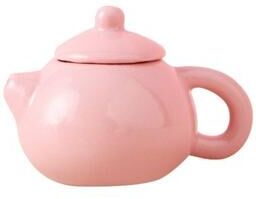
The Handy Homestead Mini Porcelain Teapot Traditional Chinese Style Ceramic Tea Ornament & Home Decor pinkDelight in a moment of timeless beauty with this exquisite Chinese style teapot decor piece designed for lovers of culture and refined aesthetics. Crafted with delicate floral motifs and premium ceramic, this mini teapot brings an elegant,...34,97 $*Shipping: 0,00 $Secure redirect to the provider
-
Inspire Select Portable Ceramic Kung Fu Tea Set With Travel Bag Traditional Chinese Gaiwan Tea Ceremony Set with TextBring the elegance of tradition wherever life takes you with this beautifully crafted portable Kung Fu tea set. Designed for tea lovers who value authenticity and convenience, this refined ceramic tea ceremony set includes a classic gaiwan and...132,99 $*Shipping: 0,00 $Secure redirect to the provider
-
When do you wear traditional clothing?
I wear traditional clothing during cultural events and celebrations, such as weddings, festivals, and religious ceremonies. I also wear traditional clothing on special occasions like holidays and family gatherings. Additionally, I may wear traditional clothing when I want to showcase and celebrate my cultural heritage. **
-
Can non-Asians wear traditional Asian clothing?
Yes, non-Asians can wear traditional Asian clothing as long as they do so respectfully and with an understanding of the cultural significance of the attire. It's important to approach traditional clothing with sensitivity and awareness of its cultural context, and to avoid appropriating or misrepresenting the culture. Many Asian cultures are open to sharing their traditional clothing with people from other backgrounds, as long as it is done in a way that honors and respects the heritage and traditions. **
-
What is the traditional clothing in Argentina?
The traditional clothing in Argentina varies by region, but one of the most iconic pieces of clothing is the gaucho attire. This includes wide-brimmed hats, bombachas (baggy trousers), and alpargatas (canvas shoes). In the northern regions, traditional clothing may include ponchos and colorful woven textiles, while in the southern regions, people may wear heavy woolen garments to protect against the cold climate. Overall, traditional Argentine clothing reflects the country's rich cultural heritage and diverse regional influences. **
-
Where can one buy traditional skinhead clothing?
Traditional skinhead clothing can be purchased from specialty shops that cater to the skinhead subculture. These shops can be found in certain neighborhoods or cities with a strong skinhead presence. Additionally, there are online retailers that specialize in selling traditional skinhead clothing and accessories. It's important to note that the skinhead subculture has a complex history and not all skinhead clothing is associated with the negative aspects of the subculture. **
* All prices are inclusive of VAT and, if applicable, plus shipping costs. The offer information is based on the details provided by the respective shop and is updated through automated processes. Real-time updates do not occur, so deviations can occur in individual cases. ** Note: Parts of this content were created by AI.