Buy 㽍.com ?
We are moving the project
㽍.com .
Are you interested in purchasing the domain
㽍.com ?
domain@kv-gmbh.de · 0541-91531010
Buy 㽍.com ?
What is the Copernican Revolution 2?
The Copernican Revolution 2 refers to a shift in our understanding of the universe that is similar to the original Copernican Revolution. Just as Nicolaus Copernicus challenged the geocentric model of the universe by proposing a heliocentric model, the Copernican Revolution 2 involves a new paradigm shift in our understanding of the cosmos. This modern revolution is characterized by advancements in astronomy, cosmology, and astrophysics that have led to a deeper understanding of the universe, including the discovery of exoplanets, dark matter, and dark energy. It represents a fundamental change in our perspective on the cosmos and our place within it. **
What is the Copernican Revolution in Kant's philosophy?
The Copernican Revolution in Kant's philosophy refers to his shift in perspective from focusing on objects in the external world to emphasizing the role of the mind in shaping our experience of reality. Kant argued that our minds actively structure and organize sensory data, rather than passively receiving information from the external world. This revolution in thinking laid the foundation for Kant's critical philosophy, which sought to reconcile empiricism and rationalism by showing how our knowledge of the world is both derived from experience and shaped by the mind's innate structures. **
Similar search terms for Copernican
Top-Angebote
Products related to Copernican:
-
Multisell Products Hub Cute Animal Statues, Ceramic Turtle Tea Set Filter, Chinese Kung Fu Tea Set For Decoration Cute Animal Statues, Ceramic Turtle Tea Set Filter, Chinese Kung Fu Tea Set For DecorationAdd a Touch of Elegance to Your Home This Ceramic Turtle Tea Set Filter brings a unique charm to your tea time. Crafted with intricate details, it features a cute animal statue in the form of a turtle. Ideal for those who appreciate both Chinese...53,97 $*Shipping: 0,00 $Secure redirect to the provider
-
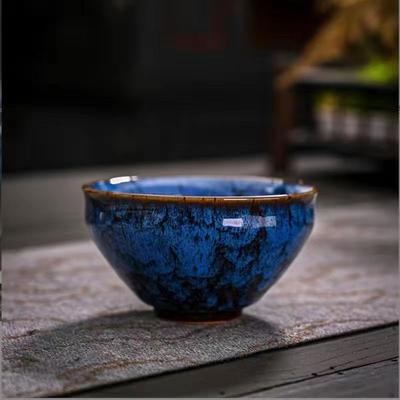
Rare Purchases Five Elements Ceramic Kung Fu Tea Set, Ceramic Mug, Tea Bowl Set, Chinese Master Cup, Ceramic Teacup, Household Gift dElevate your tea experience with the Ceramic Kung Fu Tea Set, a masterpiece that brings together artistry and functionality. This traditional Five Elements Cup set is designed for true tea enthusiasts who appreciate the craft of tea brewing. Whether...109,97 $*Shipping: 0,00 $Secure redirect to the provider
-
The Handy Homestead Mini Porcelain Teapot Traditional Chinese Style Ceramic Tea Ornament & Home Decor royalblueDelight in a moment of timeless beauty with this exquisite Chinese style teapot decor piece designed for lovers of culture and refined aesthetics. Crafted with delicate floral motifs and premium ceramic, this mini teapot brings an elegant,...34,97 $*Shipping: 0,00 $Secure redirect to the provider
-
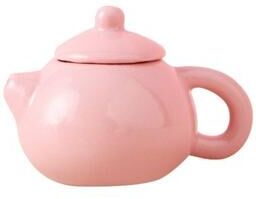
The Handy Homestead Mini Porcelain Teapot Traditional Chinese Style Ceramic Tea Ornament & Home Decor pinkDelight in a moment of timeless beauty with this exquisite Chinese style teapot decor piece designed for lovers of culture and refined aesthetics. Crafted with delicate floral motifs and premium ceramic, this mini teapot brings an elegant,...34,97 $*Shipping: 0,00 $Secure redirect to the provider


-
Can the scientific revolution be referred to as the Copernican Revolution?
The scientific revolution can be referred to as the Copernican Revolution in the sense that Nicolaus Copernicus's heliocentric model of the universe was a major catalyst for the broader shift in scientific thinking during the 16th and 17th centuries. Copernicus's theory challenged the prevailing geocentric model and sparked a reevaluation of traditional beliefs about the cosmos, leading to a more empirical and evidence-based approach to understanding the natural world. However, the scientific revolution encompassed a much wider range of advancements in various fields of science, including astronomy, physics, biology, and chemistry, and involved the work of many other influential figures such as Galileo, Kepler, and Newton. Therefore, while the Copernican Revolution played a pivotal role, it is just one part of the larger scientific revolution. **
-
What are the sources of knowledge for the Copernican Revolution according to Kant?
According to Kant, the sources of knowledge for the Copernican Revolution are twofold. Firstly, empirical knowledge gained through sensory experience, which provides us with raw data about the world. Secondly, a priori knowledge, which is knowledge that is independent of experience and is derived from the mind's own structure. Kant believed that it was the combination of these two sources of knowledge that allowed for the revolutionary shift in understanding brought about by Copernicus, as it required both empirical observations and a priori reasoning to challenge the prevailing geocentric view of the universe. **
-
What is the significance of the Copernican Revolution for science and the church?
The Copernican Revolution was significant for both science and the church. Scientifically, it marked a major shift in our understanding of the universe, as it challenged the geocentric model and proposed a heliocentric model with the sun at the center. This revolution led to a fundamental change in the way we view the cosmos and laid the groundwork for modern astronomy and physics. For the church, the Copernican Revolution posed a challenge to the traditional interpretation of the Bible, which was based on the geocentric model. The church initially resisted the heliocentric model, as it seemed to contradict the teachings of the Bible. However, over time, the church's stance softened, and it eventually accepted the heliocentric model. This shift in perspective also led to a reevaluation of the relationship between science and religion, and the Copernican Revolution played a key role in shaping the ongoing dialogue between the two. **
-
Do you know Chinese culture?
Yes, I am familiar with Chinese culture. I have been programmed with information about various aspects of Chinese culture, such as traditions, customs, history, and cuisine. I can provide information and answer questions about Chinese festivals, art, language, and other cultural elements. **

Why was it assumed before the Copernican Revolution that the Sun and other stars revolved around the Earth?
Before the Copernican Revolution, it was assumed that the Sun and other stars revolved around the Earth because of the geocentric model proposed by ancient Greek astronomers like Ptolemy. This model placed the Earth at the center of the universe and suggested that all celestial bodies moved in perfect circular orbits around it. Additionally, observations of the apparent motion of the Sun and stars across the sky seemed to support this idea of a stationary Earth with everything else moving around it. It wasn't until Copernicus proposed a heliocentric model, with the Sun at the center of the solar system, that this long-held belief was challenged and eventually overturned. **
How is ceramic art cleaned?
Ceramic art is typically cleaned using a soft, dry cloth to gently wipe away dust and dirt. For more stubborn stains, a mild soap and water solution can be used with a soft brush to gently scrub the surface. It is important to avoid harsh chemicals or abrasive materials that could damage the delicate surface of the ceramic art piece. Additionally, it is recommended to avoid submerging ceramic art in water, as this can weaken the structure of the piece. **
Top-Angebote
Products related to Copernican:
-
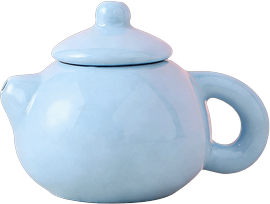
The Handy Homestead Mini Porcelain Teapot Traditional Chinese Style Ceramic Tea Ornament & Home Decor blueDelight in a moment of timeless beauty with this exquisite Chinese style teapot decor piece designed for lovers of culture and refined aesthetics. Crafted with delicate floral motifs and premium ceramic, this mini teapot brings an elegant,...34,97 $*Shipping: 0,00 $Secure redirect to the provider
-
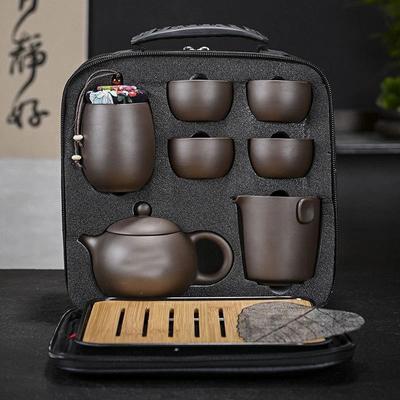
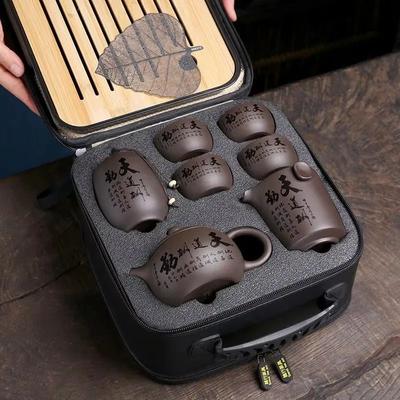
Inspire Select Portable Ceramic Kung Fu Tea Set With Travel Bag Traditional Chinese Gaiwan Tea Ceremony Set no TextBring the elegance of tradition wherever life takes you with this beautifully crafted portable Kung Fu tea set. Designed for tea lovers who value authenticity and convenience, this refined ceramic tea ceremony set includes a classic gaiwan and...132,99 $*Shipping: 0,00 $Secure redirect to the provider
-
Multisell Products Hub Cute Animal Statues, Ceramic Turtle Tea Set Filter, Chinese Kung Fu Tea Set For Decoration Cute Animal Statues, Ceramic Turtle Tea Set Filter, Chinese Kung Fu Tea Set For DecorationAdd a Touch of Elegance to Your Home This Ceramic Turtle Tea Set Filter brings a unique charm to your tea time. Crafted with intricate details, it features a cute animal statue in the form of a turtle. Ideal for those who appreciate both Chinese...53,97 $*Shipping: 0,00 $Secure redirect to the provider
-
Rare Purchases Five Elements Ceramic Kung Fu Tea Set, Ceramic Mug, Tea Bowl Set, Chinese Master Cup, Ceramic Teacup, Household Gift dElevate your tea experience with the Ceramic Kung Fu Tea Set, a masterpiece that brings together artistry and functionality. This traditional Five Elements Cup set is designed for true tea enthusiasts who appreciate the craft of tea brewing. Whether...109,97 $*Shipping: 0,00 $Secure redirect to the provider
-
What is the Copernican Revolution 2?
The Copernican Revolution 2 refers to a shift in our understanding of the universe that is similar to the original Copernican Revolution. Just as Nicolaus Copernicus challenged the geocentric model of the universe by proposing a heliocentric model, the Copernican Revolution 2 involves a new paradigm shift in our understanding of the cosmos. This modern revolution is characterized by advancements in astronomy, cosmology, and astrophysics that have led to a deeper understanding of the universe, including the discovery of exoplanets, dark matter, and dark energy. It represents a fundamental change in our perspective on the cosmos and our place within it. **
-
What is the Copernican Revolution in Kant's philosophy?
The Copernican Revolution in Kant's philosophy refers to his shift in perspective from focusing on objects in the external world to emphasizing the role of the mind in shaping our experience of reality. Kant argued that our minds actively structure and organize sensory data, rather than passively receiving information from the external world. This revolution in thinking laid the foundation for Kant's critical philosophy, which sought to reconcile empiricism and rationalism by showing how our knowledge of the world is both derived from experience and shaped by the mind's innate structures. **
-
Can the scientific revolution be referred to as the Copernican Revolution?
The scientific revolution can be referred to as the Copernican Revolution in the sense that Nicolaus Copernicus's heliocentric model of the universe was a major catalyst for the broader shift in scientific thinking during the 16th and 17th centuries. Copernicus's theory challenged the prevailing geocentric model and sparked a reevaluation of traditional beliefs about the cosmos, leading to a more empirical and evidence-based approach to understanding the natural world. However, the scientific revolution encompassed a much wider range of advancements in various fields of science, including astronomy, physics, biology, and chemistry, and involved the work of many other influential figures such as Galileo, Kepler, and Newton. Therefore, while the Copernican Revolution played a pivotal role, it is just one part of the larger scientific revolution. **
-
What are the sources of knowledge for the Copernican Revolution according to Kant?
According to Kant, the sources of knowledge for the Copernican Revolution are twofold. Firstly, empirical knowledge gained through sensory experience, which provides us with raw data about the world. Secondly, a priori knowledge, which is knowledge that is independent of experience and is derived from the mind's own structure. Kant believed that it was the combination of these two sources of knowledge that allowed for the revolutionary shift in understanding brought about by Copernicus, as it required both empirical observations and a priori reasoning to challenge the prevailing geocentric view of the universe. **
Similar search terms for Copernican
-
The Handy Homestead Mini Porcelain Teapot Traditional Chinese Style Ceramic Tea Ornament & Home Decor royalblueDelight in a moment of timeless beauty with this exquisite Chinese style teapot decor piece designed for lovers of culture and refined aesthetics. Crafted with delicate floral motifs and premium ceramic, this mini teapot brings an elegant,...34,97 $*Shipping: 0,00 $Secure redirect to the provider
-
The Handy Homestead Mini Porcelain Teapot Traditional Chinese Style Ceramic Tea Ornament & Home Decor pinkDelight in a moment of timeless beauty with this exquisite Chinese style teapot decor piece designed for lovers of culture and refined aesthetics. Crafted with delicate floral motifs and premium ceramic, this mini teapot brings an elegant,...34,97 $*Shipping: 0,00 $Secure redirect to the provider
-
The Handy Homestead Mini Porcelain Teapot Traditional Chinese Style Ceramic Tea Ornament & Home Decor whiteDelight in a moment of timeless beauty with this exquisite Chinese style teapot decor piece designed for lovers of culture and refined aesthetics. Crafted with delicate floral motifs and premium ceramic, this mini teapot brings an elegant,...34,97 $*Shipping: 0,00 $Secure redirect to the provider
-
Inspire Select Portable Ceramic Kung Fu Tea Set With Travel Bag Traditional Chinese Gaiwan Tea Ceremony Set with TextBring the elegance of tradition wherever life takes you with this beautifully crafted portable Kung Fu tea set. Designed for tea lovers who value authenticity and convenience, this refined ceramic tea ceremony set includes a classic gaiwan and...132,99 $*Shipping: 0,00 $Secure redirect to the provider
-
What is the significance of the Copernican Revolution for science and the church?
The Copernican Revolution was significant for both science and the church. Scientifically, it marked a major shift in our understanding of the universe, as it challenged the geocentric model and proposed a heliocentric model with the sun at the center. This revolution led to a fundamental change in the way we view the cosmos and laid the groundwork for modern astronomy and physics. For the church, the Copernican Revolution posed a challenge to the traditional interpretation of the Bible, which was based on the geocentric model. The church initially resisted the heliocentric model, as it seemed to contradict the teachings of the Bible. However, over time, the church's stance softened, and it eventually accepted the heliocentric model. This shift in perspective also led to a reevaluation of the relationship between science and religion, and the Copernican Revolution played a key role in shaping the ongoing dialogue between the two. **
-
Do you know Chinese culture?
Yes, I am familiar with Chinese culture. I have been programmed with information about various aspects of Chinese culture, such as traditions, customs, history, and cuisine. I can provide information and answer questions about Chinese festivals, art, language, and other cultural elements. **
-
Why was it assumed before the Copernican Revolution that the Sun and other stars revolved around the Earth?
Before the Copernican Revolution, it was assumed that the Sun and other stars revolved around the Earth because of the geocentric model proposed by ancient Greek astronomers like Ptolemy. This model placed the Earth at the center of the universe and suggested that all celestial bodies moved in perfect circular orbits around it. Additionally, observations of the apparent motion of the Sun and stars across the sky seemed to support this idea of a stationary Earth with everything else moving around it. It wasn't until Copernicus proposed a heliocentric model, with the Sun at the center of the solar system, that this long-held belief was challenged and eventually overturned. **
-
How is ceramic art cleaned?
Ceramic art is typically cleaned using a soft, dry cloth to gently wipe away dust and dirt. For more stubborn stains, a mild soap and water solution can be used with a soft brush to gently scrub the surface. It is important to avoid harsh chemicals or abrasive materials that could damage the delicate surface of the ceramic art piece. Additionally, it is recommended to avoid submerging ceramic art in water, as this can weaken the structure of the piece. **
* All prices are inclusive of VAT and, if applicable, plus shipping costs. The offer information is based on the details provided by the respective shop and is updated through automated processes. Real-time updates do not occur, so deviations can occur in individual cases. ** Note: Parts of this content were created by AI.