Buy 㽍.com ?
We are moving the project
㽍.com .
Are you interested in purchasing the domain
㽍.com ?
domain@kv-gmbh.de · 0541-91531010
Buy 㽍.com ?
What does isometry mean in art?
Isometry in art refers to the use of geometric shapes and forms that maintain their size and shape regardless of their position or orientation in space. This technique creates a sense of balance, harmony, and stability in the artwork. Isometric art often features precise, straight lines and angles, and is commonly used in architectural drawings, technical illustrations, and graphic design to convey a sense of accuracy and order. **
How is a standardized isometry correctly drawn?
A standardized isometry is correctly drawn by following specific guidelines. First, ensure that all three axes (x, y, z) are drawn at 120-degree angles to each other. Next, draw the object or shape in question with accurate proportions and angles, making sure to maintain the 120-degree relationship between the axes. Finally, label the axes and any important points or dimensions to clearly communicate the isometric view. By following these steps, a standardized isometry can be accurately and effectively drawn. **
Similar search terms for Isometry
Top-Angebote
Products related to Isometry:
-
Multisell Products Hub Cute Animal Statues, Ceramic Turtle Tea Set Filter, Chinese Kung Fu Tea Set For Decoration Cute Animal Statues, Ceramic Turtle Tea Set Filter, Chinese Kung Fu Tea Set For DecorationAdd a Touch of Elegance to Your Home This Ceramic Turtle Tea Set Filter brings a unique charm to your tea time. Crafted with intricate details, it features a cute animal statue in the form of a turtle. Ideal for those who appreciate both Chinese...53,97 $*Shipping: 0,00 $Secure redirect to the provider
-
Rare Purchases Five Elements Ceramic Kung Fu Tea Set, Ceramic Mug, Tea Bowl Set, Chinese Master Cup, Ceramic Teacup, Household Gift cElevate your tea experience with the Ceramic Kung Fu Tea Set, a masterpiece that brings together artistry and functionality. This traditional Five Elements Cup set is designed for true tea enthusiasts who appreciate the craft of tea brewing. Whether...109,97 $*Shipping: 0,00 $Secure redirect to the provider
-
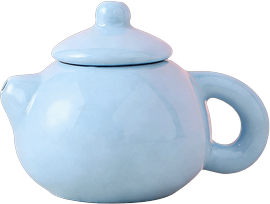
The Handy Homestead Mini Porcelain Teapot Traditional Chinese Style Ceramic Tea Ornament & Home Decor blueDelight in a moment of timeless beauty with this exquisite Chinese style teapot decor piece designed for lovers of culture and refined aesthetics. Crafted with delicate floral motifs and premium ceramic, this mini teapot brings an elegant,...34,97 $*Shipping: 0,00 $Secure redirect to the provider
-
The Handy Homestead Mini Porcelain Teapot Traditional Chinese Style Ceramic Tea Ornament & Home Decor whiteDelight in a moment of timeless beauty with this exquisite Chinese style teapot decor piece designed for lovers of culture and refined aesthetics. Crafted with delicate floral motifs and premium ceramic, this mini teapot brings an elegant,...34,97 $*Shipping: 0,00 $Secure redirect to the provider



-
What is an isometry with non-orthogonal corners?
An isometry with non-orthogonal corners is a transformation that preserves distances and angles, but the corners of the shape are not at right angles to each other. This means that the shape is still congruent to its original form after the transformation, but the angles at the corners are not 90 degrees. Isometries with non-orthogonal corners can include rotations, reflections, translations, and glide reflections. These transformations are important in geometry and can be used to study the properties of shapes and figures. **
-
What is an isometry with non-orthogonal vertices?
An isometry with non-orthogonal vertices is a transformation that preserves distances and angles between points, but the vertices are not at right angles to each other. This means that the shape is still congruent to its original form, but the angles between the edges are not necessarily 90 degrees. Isometries with non-orthogonal vertices can include translations, rotations, reflections, and glide reflections. These transformations are important in geometry and can help us understand the properties of shapes in different orientations. **
-
What is the difference between axonometry and isometry?
Axonometry and isometry are both methods used in technical and engineering drawing to represent three-dimensional objects on a two-dimensional surface. The main difference between the two is that axonometry is a type of parallel projection, where all the lines of the object remain parallel in the drawing, while isometry is a specific type of axonometric projection where the object is represented with equal foreshortening along all three axes. In other words, isometry maintains the same scale in all three dimensions, while axonometry in general does not. **
-
Is the task for isometry with 3 board projections correct?
Yes, the task for isometry with 3 board projections is correct. Isometry refers to a transformation that preserves the distance between points, and using 3 board projections can help to accurately capture the spatial relationships and distances between points in a three-dimensional space. By using multiple board projections, it is possible to ensure that the isometry is accurately represented in the transformation process. **

Do you know Chinese culture?
Yes, I am familiar with Chinese culture. I have been programmed with information about various aspects of Chinese culture, such as traditions, customs, history, and cuisine. I can provide information and answer questions about Chinese festivals, art, language, and other cultural elements. **
How is ceramic art cleaned?
Ceramic art is typically cleaned using a soft, dry cloth to gently wipe away dust and dirt. For more stubborn stains, a mild soap and water solution can be used with a soft brush to gently scrub the surface. It is important to avoid harsh chemicals or abrasive materials that could damage the delicate surface of the ceramic art piece. Additionally, it is recommended to avoid submerging ceramic art in water, as this can weaken the structure of the piece. **
Top-Angebote
Products related to Isometry:
-
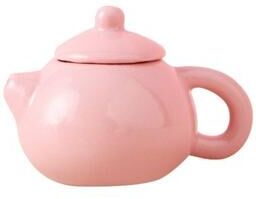
The Handy Homestead Mini Porcelain Teapot Traditional Chinese Style Ceramic Tea Ornament & Home Decor pinkDelight in a moment of timeless beauty with this exquisite Chinese style teapot decor piece designed for lovers of culture and refined aesthetics. Crafted with delicate floral motifs and premium ceramic, this mini teapot brings an elegant,...34,97 $*Shipping: 0,00 $Secure redirect to the provider
-
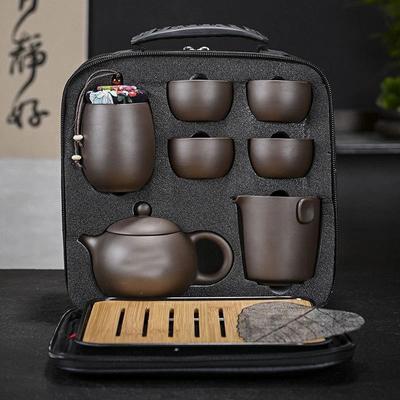
Inspire Select Portable Ceramic Kung Fu Tea Set With Travel Bag Traditional Chinese Gaiwan Tea Ceremony Set no TextBring the elegance of tradition wherever life takes you with this beautifully crafted portable Kung Fu tea set. Designed for tea lovers who value authenticity and convenience, this refined ceramic tea ceremony set includes a classic gaiwan and...132,99 $*Shipping: 0,00 $Secure redirect to the provider
-
Multisell Products Hub Cute Animal Statues, Ceramic Turtle Tea Set Filter, Chinese Kung Fu Tea Set For Decoration Cute Animal Statues, Ceramic Turtle Tea Set Filter, Chinese Kung Fu Tea Set For DecorationAdd a Touch of Elegance to Your Home This Ceramic Turtle Tea Set Filter brings a unique charm to your tea time. Crafted with intricate details, it features a cute animal statue in the form of a turtle. Ideal for those who appreciate both Chinese...53,97 $*Shipping: 0,00 $Secure redirect to the provider
-
Rare Purchases Five Elements Ceramic Kung Fu Tea Set, Ceramic Mug, Tea Bowl Set, Chinese Master Cup, Ceramic Teacup, Household Gift cElevate your tea experience with the Ceramic Kung Fu Tea Set, a masterpiece that brings together artistry and functionality. This traditional Five Elements Cup set is designed for true tea enthusiasts who appreciate the craft of tea brewing. Whether...109,97 $*Shipping: 0,00 $Secure redirect to the provider
-
What does isometry mean in art?
Isometry in art refers to the use of geometric shapes and forms that maintain their size and shape regardless of their position or orientation in space. This technique creates a sense of balance, harmony, and stability in the artwork. Isometric art often features precise, straight lines and angles, and is commonly used in architectural drawings, technical illustrations, and graphic design to convey a sense of accuracy and order. **
-
How is a standardized isometry correctly drawn?
A standardized isometry is correctly drawn by following specific guidelines. First, ensure that all three axes (x, y, z) are drawn at 120-degree angles to each other. Next, draw the object or shape in question with accurate proportions and angles, making sure to maintain the 120-degree relationship between the axes. Finally, label the axes and any important points or dimensions to clearly communicate the isometric view. By following these steps, a standardized isometry can be accurately and effectively drawn. **
-
What is an isometry with non-orthogonal corners?
An isometry with non-orthogonal corners is a transformation that preserves distances and angles, but the corners of the shape are not at right angles to each other. This means that the shape is still congruent to its original form after the transformation, but the angles at the corners are not 90 degrees. Isometries with non-orthogonal corners can include rotations, reflections, translations, and glide reflections. These transformations are important in geometry and can be used to study the properties of shapes and figures. **
-
What is an isometry with non-orthogonal vertices?
An isometry with non-orthogonal vertices is a transformation that preserves distances and angles between points, but the vertices are not at right angles to each other. This means that the shape is still congruent to its original form, but the angles between the edges are not necessarily 90 degrees. Isometries with non-orthogonal vertices can include translations, rotations, reflections, and glide reflections. These transformations are important in geometry and can help us understand the properties of shapes in different orientations. **
Similar search terms for Isometry
-
The Handy Homestead Mini Porcelain Teapot Traditional Chinese Style Ceramic Tea Ornament & Home Decor blueDelight in a moment of timeless beauty with this exquisite Chinese style teapot decor piece designed for lovers of culture and refined aesthetics. Crafted with delicate floral motifs and premium ceramic, this mini teapot brings an elegant,...34,97 $*Shipping: 0,00 $Secure redirect to the provider
-
The Handy Homestead Mini Porcelain Teapot Traditional Chinese Style Ceramic Tea Ornament & Home Decor whiteDelight in a moment of timeless beauty with this exquisite Chinese style teapot decor piece designed for lovers of culture and refined aesthetics. Crafted with delicate floral motifs and premium ceramic, this mini teapot brings an elegant,...34,97 $*Shipping: 0,00 $Secure redirect to the provider
-
The Handy Homestead Mini Porcelain Teapot Traditional Chinese Style Ceramic Tea Ornament & Home Decor royalblueDelight in a moment of timeless beauty with this exquisite Chinese style teapot decor piece designed for lovers of culture and refined aesthetics. Crafted with delicate floral motifs and premium ceramic, this mini teapot brings an elegant,...34,97 $*Shipping: 0,00 $Secure redirect to the provider
-
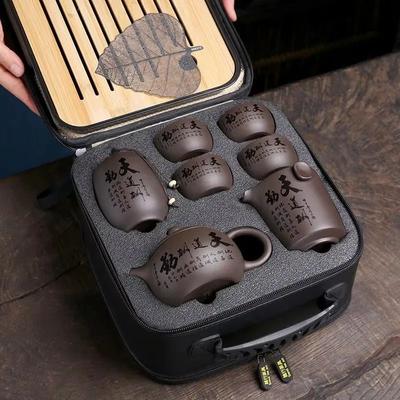
Inspire Select Portable Ceramic Kung Fu Tea Set With Travel Bag Traditional Chinese Gaiwan Tea Ceremony Set with TextBring the elegance of tradition wherever life takes you with this beautifully crafted portable Kung Fu tea set. Designed for tea lovers who value authenticity and convenience, this refined ceramic tea ceremony set includes a classic gaiwan and...132,99 $*Shipping: 0,00 $Secure redirect to the provider
-
What is the difference between axonometry and isometry?
Axonometry and isometry are both methods used in technical and engineering drawing to represent three-dimensional objects on a two-dimensional surface. The main difference between the two is that axonometry is a type of parallel projection, where all the lines of the object remain parallel in the drawing, while isometry is a specific type of axonometric projection where the object is represented with equal foreshortening along all three axes. In other words, isometry maintains the same scale in all three dimensions, while axonometry in general does not. **
-
Is the task for isometry with 3 board projections correct?
Yes, the task for isometry with 3 board projections is correct. Isometry refers to a transformation that preserves the distance between points, and using 3 board projections can help to accurately capture the spatial relationships and distances between points in a three-dimensional space. By using multiple board projections, it is possible to ensure that the isometry is accurately represented in the transformation process. **
-
Do you know Chinese culture?
Yes, I am familiar with Chinese culture. I have been programmed with information about various aspects of Chinese culture, such as traditions, customs, history, and cuisine. I can provide information and answer questions about Chinese festivals, art, language, and other cultural elements. **
-
How is ceramic art cleaned?
Ceramic art is typically cleaned using a soft, dry cloth to gently wipe away dust and dirt. For more stubborn stains, a mild soap and water solution can be used with a soft brush to gently scrub the surface. It is important to avoid harsh chemicals or abrasive materials that could damage the delicate surface of the ceramic art piece. Additionally, it is recommended to avoid submerging ceramic art in water, as this can weaken the structure of the piece. **
* All prices are inclusive of VAT and, if applicable, plus shipping costs. The offer information is based on the details provided by the respective shop and is updated through automated processes. Real-time updates do not occur, so deviations can occur in individual cases. ** Note: Parts of this content were created by AI.