Buy 㽍.com ?
We are moving the project
㽍.com .
Are you interested in purchasing the domain
㽍.com ?
domain@kv-gmbh.de · 0541-91531010
Buy 㽍.com ?
What are rubbing materials in art?
Rubbing materials in art are tools used to create rubbings, which are images or textures transferred onto paper by placing it over a textured surface and rubbing it with a crayon, pencil, or other medium. Common rubbing materials include graphite pencils, wax crayons, charcoal sticks, and even soft pastels. These materials are chosen for their ability to pick up the details and textures of the surface being rubbed, resulting in a unique and often intricate artwork. **
What are frottage materials in art?
Frottage materials in art are tools used to create a rubbing or texture transfer technique. This technique involves placing a piece of paper over a textured surface, such as wood, fabric, or metal, and then rubbing over it with a pencil or crayon to transfer the texture onto the paper. Common frottage materials include paper, pencils, crayons, and textured surfaces. This technique is often used in mixed media and collage art to add depth and visual interest to the artwork. **


Similar search terms for Materials
Top-Angebote
Products related to Materials:
-
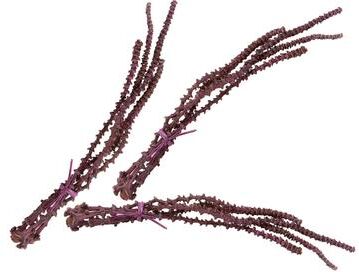
Elk Home Sceptre Black Natural Materials Ornamental AccessoryELK Home offer depth and breadth across a myriad of home furnishing categories with design styles ranging from updated traditional to soft modern. www.elkhome.com. A division of ELK Group International39,50 $*Shipping: 0,00 $Secure redirect to the provider
-
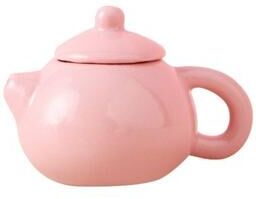
The Handy Homestead Mini Porcelain Teapot Traditional Chinese Style Ceramic Tea Ornament & Home Decor pinkDelight in a moment of timeless beauty with this exquisite Chinese style teapot decor piece designed for lovers of culture and refined aesthetics. Crafted with delicate floral motifs and premium ceramic, this mini teapot brings an elegant,...34,97 $*Shipping: 0,00 $Secure redirect to the provider


-
What are structural materials in art?
Structural materials in art are the materials used to create the framework or support for a piece of artwork. These materials provide the foundation for the artwork and can include wood, metal, plastic, or any other material that can provide stability and form. Structural materials are essential for creating sculptures, installations, and other three-dimensional artworks, as they determine the overall shape and integrity of the piece. Artists often choose structural materials based on their strength, durability, and aesthetic qualities to bring their artistic vision to life. **
-
What are raw materials, auxiliary materials, or operating materials?
Raw materials are the basic materials used in the production of goods. They are typically natural resources such as wood, metal, or agricultural products. Auxiliary materials are used to support the production process, such as lubricants, cleaning agents, or packaging materials. Operating materials are the supplies and tools used in the day-to-day operations of a business, such as office supplies, maintenance tools, or safety equipment. These materials are essential for the production and operation of goods and services. **
-
Which materials are used for inlays, ceramic or plastic?
Inlays can be made from both ceramic and plastic materials. Ceramic inlays are often made from porcelain or zirconia, which are known for their durability and natural appearance. On the other hand, plastic inlays, also known as composite inlays, are made from a resin material that can be color-matched to the natural teeth. Both materials have their own advantages and can be used depending on the specific needs and preferences of the patient. **
-
Do art teachers have to buy the materials?
Art teachers often have to purchase some of their own materials, especially if they want to use specific or higher quality supplies for their students. While schools may provide some basic art supplies, teachers often supplement these with their own purchases to enhance the learning experience for their students. Additionally, some schools may have limited budgets for art supplies, so teachers may choose to buy materials out of their own pocket to ensure their students have access to a wider range of artistic tools and resources. **


What is the difference between traditional building materials and modern building materials, and what opportunities do they present?
Traditional building materials, such as wood, stone, and clay, have been used for centuries and are known for their durability and natural aesthetic. On the other hand, modern building materials, such as steel, concrete, and glass, are often manufactured and engineered to meet specific performance requirements, such as strength, insulation, and sustainability. The use of traditional building materials presents opportunities for creating structures with a timeless and natural appeal, while modern building materials offer opportunities for innovative and sustainable design, as well as improved structural performance and energy efficiency. By combining the strengths of both traditional and modern building materials, architects and builders can create structures that are both aesthetically pleasing and technologically advanced. **
What is the difference between raw materials, operating materials, and auxiliary materials?
Raw materials are the basic materials used in the production of goods, such as wood, metal, or oil. Operating materials are the materials used in the day-to-day operations of a business, such as office supplies, cleaning supplies, or packaging materials. Auxiliary materials are materials that support the production process but are not directly used in the final product, such as lubricants, solvents, or maintenance supplies. Each type of material plays a different role in the production and operation of a business. **
Top-Angebote
Products related to Materials:
-
Multicon Wholesale Hub Diamond Grinding Burr Hex Shank Drill Bits For Stone, Glass, Ceramic, Marble, And Hard Materials Diamond Grinding Burr Hex Shank Drill Bits For Stone, Glass, Ceramic, Marble, And Hard Materials"Unlock the power of precision with the 7Pcs 14""in approx Hex Shank Diamond Grinding Burr Drill Bits set, designed to elevate your DIY and professional projects. Whether you're crafting detailed designs or tackling tough material removal tasks, this..."51,97 $*Shipping: 0,00 $Secure redirect to the provider
-
Hey Clay Rainbow Unicorns 15 Can - Art & Crafting Materials for Kids - Ages 3+Unleash your child's creativity with the Hey Clay Rainbow Unicorns 15 Can set. Perfect for little hands, this vibrant and squishy modelling clay offers endless fun while encouraging imaginative play and sensory development. Kids will love sculpting six enchanting rainbow unicorns, each with their own unique personality and colors. The soft, flexible clay is easy to shape, making it an ideal choice for little sculptors. The set includes 15 cans of clay, providing ample material for creative expression. With access to the Hey Clay app, your child will have step-by-step guidance, helping them turn into mini clay artists. Once their magical unicorns are air-dried, they can keep them as adorable collectibles. This product is suitable for children aged 3 and above. Please note that it is not suitable for children under 36 months due to choking hazard. The product dimensions are 18.8 cm x 22.2 cm x 7 cm.15,10 £*Shipping: 3,95 £Secure redirect to the provider
-
Elk Home Sceptre Black Natural Materials Ornamental AccessoryELK Home offer depth and breadth across a myriad of home furnishing categories with design styles ranging from updated traditional to soft modern. www.elkhome.com. A division of ELK Group International39,50 $*Shipping: 0,00 $Secure redirect to the provider
-
What are rubbing materials in art?
Rubbing materials in art are tools used to create rubbings, which are images or textures transferred onto paper by placing it over a textured surface and rubbing it with a crayon, pencil, or other medium. Common rubbing materials include graphite pencils, wax crayons, charcoal sticks, and even soft pastels. These materials are chosen for their ability to pick up the details and textures of the surface being rubbed, resulting in a unique and often intricate artwork. **
-
What are frottage materials in art?
Frottage materials in art are tools used to create a rubbing or texture transfer technique. This technique involves placing a piece of paper over a textured surface, such as wood, fabric, or metal, and then rubbing over it with a pencil or crayon to transfer the texture onto the paper. Common frottage materials include paper, pencils, crayons, and textured surfaces. This technique is often used in mixed media and collage art to add depth and visual interest to the artwork. **
-
What are structural materials in art?
Structural materials in art are the materials used to create the framework or support for a piece of artwork. These materials provide the foundation for the artwork and can include wood, metal, plastic, or any other material that can provide stability and form. Structural materials are essential for creating sculptures, installations, and other three-dimensional artworks, as they determine the overall shape and integrity of the piece. Artists often choose structural materials based on their strength, durability, and aesthetic qualities to bring their artistic vision to life. **
-
What are raw materials, auxiliary materials, or operating materials?
Raw materials are the basic materials used in the production of goods. They are typically natural resources such as wood, metal, or agricultural products. Auxiliary materials are used to support the production process, such as lubricants, cleaning agents, or packaging materials. Operating materials are the supplies and tools used in the day-to-day operations of a business, such as office supplies, maintenance tools, or safety equipment. These materials are essential for the production and operation of goods and services. **
Similar search terms for Materials
-
The Handy Homestead Mini Porcelain Teapot Traditional Chinese Style Ceramic Tea Ornament & Home Decor pinkDelight in a moment of timeless beauty with this exquisite Chinese style teapot decor piece designed for lovers of culture and refined aesthetics. Crafted with delicate floral motifs and premium ceramic, this mini teapot brings an elegant,...34,97 $*Shipping: 0,00 $Secure redirect to the provider
-
The Handy Homestead Mini Porcelain Teapot Traditional Chinese Style Ceramic Tea Ornament & Home Decor whiteDelight in a moment of timeless beauty with this exquisite Chinese style teapot decor piece designed for lovers of culture and refined aesthetics. Crafted with delicate floral motifs and premium ceramic, this mini teapot brings an elegant,...34,97 $*Shipping: 0,00 $Secure redirect to the provider
-
Which materials are used for inlays, ceramic or plastic?
Inlays can be made from both ceramic and plastic materials. Ceramic inlays are often made from porcelain or zirconia, which are known for their durability and natural appearance. On the other hand, plastic inlays, also known as composite inlays, are made from a resin material that can be color-matched to the natural teeth. Both materials have their own advantages and can be used depending on the specific needs and preferences of the patient. **
-
Do art teachers have to buy the materials?
Art teachers often have to purchase some of their own materials, especially if they want to use specific or higher quality supplies for their students. While schools may provide some basic art supplies, teachers often supplement these with their own purchases to enhance the learning experience for their students. Additionally, some schools may have limited budgets for art supplies, so teachers may choose to buy materials out of their own pocket to ensure their students have access to a wider range of artistic tools and resources. **
-
What is the difference between traditional building materials and modern building materials, and what opportunities do they present?
Traditional building materials, such as wood, stone, and clay, have been used for centuries and are known for their durability and natural aesthetic. On the other hand, modern building materials, such as steel, concrete, and glass, are often manufactured and engineered to meet specific performance requirements, such as strength, insulation, and sustainability. The use of traditional building materials presents opportunities for creating structures with a timeless and natural appeal, while modern building materials offer opportunities for innovative and sustainable design, as well as improved structural performance and energy efficiency. By combining the strengths of both traditional and modern building materials, architects and builders can create structures that are both aesthetically pleasing and technologically advanced. **
-
What is the difference between raw materials, operating materials, and auxiliary materials?
Raw materials are the basic materials used in the production of goods, such as wood, metal, or oil. Operating materials are the materials used in the day-to-day operations of a business, such as office supplies, cleaning supplies, or packaging materials. Auxiliary materials are materials that support the production process but are not directly used in the final product, such as lubricants, solvents, or maintenance supplies. Each type of material plays a different role in the production and operation of a business. **
* All prices are inclusive of VAT and, if applicable, plus shipping costs. The offer information is based on the details provided by the respective shop and is updated through automated processes. Real-time updates do not occur, so deviations can occur in individual cases. ** Note: Parts of this content were created by AI.