Buy 㽍.com ?
We are moving the project
㽍.com .
Are you interested in purchasing the domain
㽍.com ?
domain@kv-gmbh.de · 0541-91531010
Buy 㽍.com ?
What are the advantages and disadvantages of not providing money for art and culture?
The advantages of not providing money for art and culture include saving government funds and allocating resources to other pressing needs such as healthcare and education. It also encourages artists and cultural institutions to seek alternative sources of funding, fostering creativity and innovation. However, the disadvantages include the potential loss of cultural heritage and identity, as well as the negative impact on the economy due to the decline of the creative industry. Additionally, without financial support, many artists and cultural organizations may struggle to survive, leading to a reduction in the availability of artistic and cultural experiences for the public. **
Do you know Chinese culture?
Yes, I am familiar with Chinese culture. I have been programmed with information about various aspects of Chinese culture, such as traditions, customs, history, and cuisine. I can provide information and answer questions about Chinese festivals, art, language, and other cultural elements. **

Similar search terms for Money
Top-Angebote
Products related to Money:
-
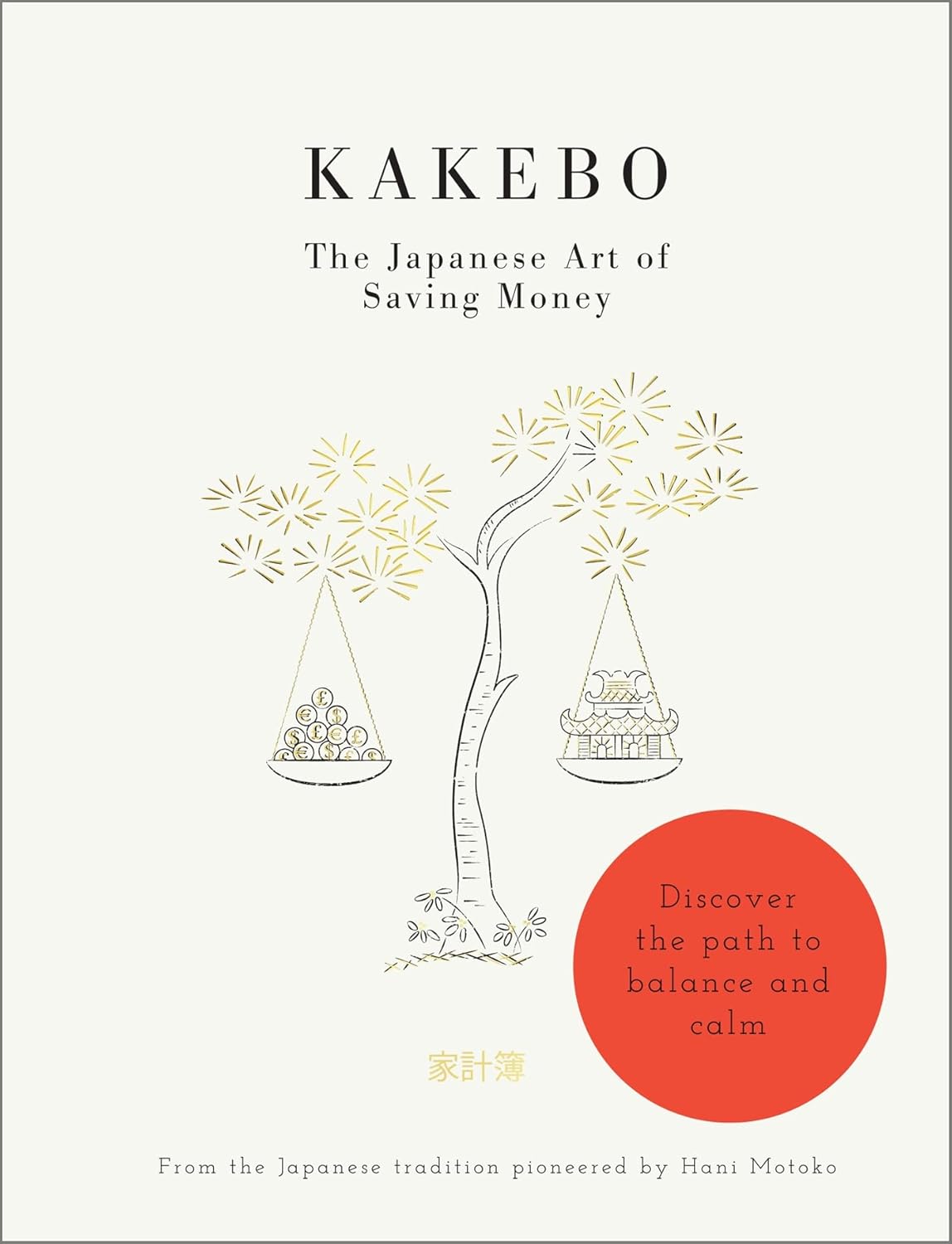
Short Books Kakebo: The Japanese Art of Saving Money by Hani Motoko - Paperback Budgeting Journal - Money Management Non Fiction GiftDiscover the Japanese art of saving money with Kakebo, a century-old budgeting journal brought to modern readers. Created by pioneering journalist Hani Motoko, this practical guide helps you set monthly savings goals, track weekly spending, and reflect on your relationship with money. It's an accessible alternative to budgeting apps, ideal for building lasting financial habits. Kakebo, which simply means 'household account book', distils a Japanese budgeting tradition that dates back to 1904. The beautifully produced paperback allows you to note your income, fixed outgoings, and savings target at the start of each month, then log spending across simple categories each week before tallying everything up.5,99 £*Shipping: 2,99 £Secure redirect to the provider
-
Uplifted Finds Japanese Ceramic Daruma Lucky Cat Fortune Money Box Ornament redBring tradition and positive energy into your space with this Japanese ceramic Daruma lucky cat fortune money box. Crafted with a classic design, it symbolizes good luck, prosperity, and goal achievement, making it a meaningful decorative piece for...139,97 $*Shipping: 0,00 $Secure redirect to the provider
-
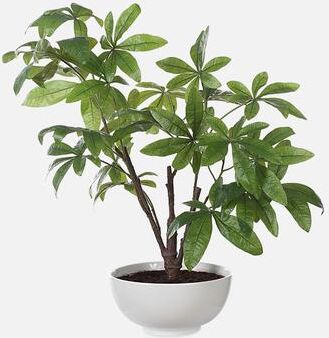
Uttermost Pachira Money TreeKnown For Its Luck And Feng Shui, The Money Tree Plant Features A Lush Green Foliage With An Airy Quality. Planted Into A Glossy White Bowl With Faux Soil. Uttermost's Botanicals Combine Premium Quality Materials With Unique High-style Design.499,20 $*Shipping: 0,00 $Secure redirect to the provider
-
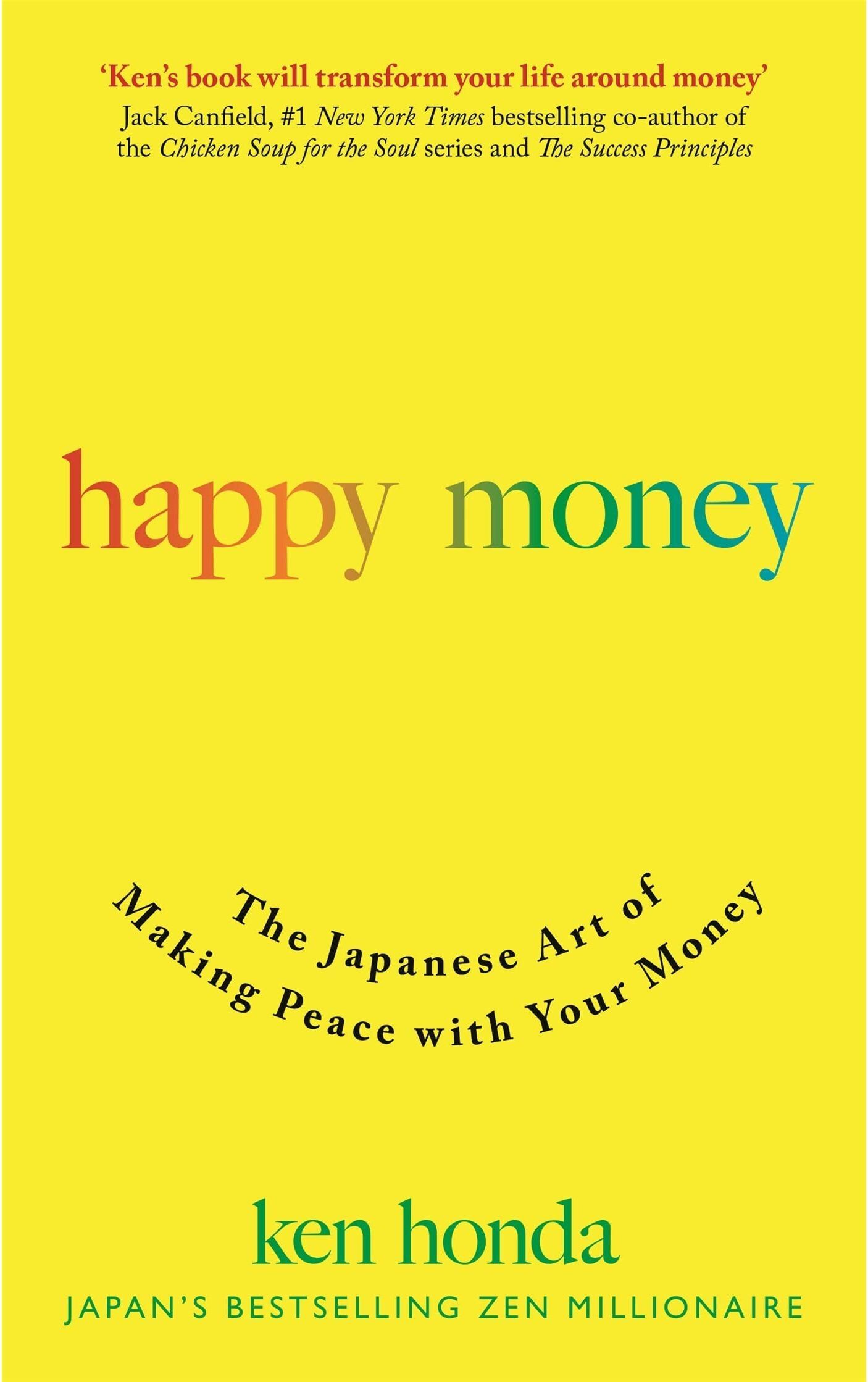
John Murray Press Happy Money: The Japanese Art of Making Peace With Your Money by Ken Honda - Paperback Personal Finance & Self-Help BookDiscover the Japanese art of making peace with your money with this gentle guide by Ken Honda. Blending practical finance with mindfulness, Happy Money helps readers release inherited money fears and build a calmer, more grateful approach to earning, spending, and saving. Written by a bestselling author, this accessible paperback is ideal for personal growth and self-improvement.3,99 £*Shipping: 2,99 £Secure redirect to the provider

-
How can one earn money with art?
There are several ways to earn money with art. One common way is by selling your artwork directly to collectors or through galleries. Another option is to offer art classes or workshops to teach others your skills. You can also consider licensing your artwork for use on products such as prints, clothing, or home decor. Additionally, participating in art fairs, exhibitions, and online marketplaces can help you reach a wider audience and generate income from your art. **
-
How can one make money with art?
There are several ways to make money with art. One way is to sell your artwork directly to collectors or through galleries. Another option is to offer art classes or workshops to teach others your techniques. You can also license your artwork for use on products such as prints, clothing, or home decor. Additionally, participating in art fairs, exhibitions, and online marketplaces can help you reach a wider audience and generate income from your art. **
-
How can one make money from the culture pass?
One can make money from the culture pass by offering services or products that cater to individuals who have the pass. For example, one could offer guided tours, workshops, or cultural experiences that are exclusive to culture pass holders. Additionally, businesses can partner with the culture pass program to offer discounts or special promotions to pass holders, attracting more customers and increasing revenue. By tapping into the culture pass market, individuals and businesses can capitalize on the increased interest in cultural activities and experiences. **
-
How is ceramic art cleaned?
Ceramic art is typically cleaned using a soft, dry cloth to gently wipe away dust and dirt. For more stubborn stains, a mild soap and water solution can be used with a soft brush to gently scrub the surface. It is important to avoid harsh chemicals or abrasive materials that could damage the delicate surface of the ceramic art piece. Additionally, it is recommended to avoid submerging ceramic art in water, as this can weaken the structure of the piece. **


Do you know the Chinese culture?
Yes, I am familiar with various aspects of Chinese culture. I know about traditional Chinese festivals like Chinese New Year and the Mid-Autumn Festival, as well as cultural practices such as tea ceremonies and calligraphy. I am also aware of the importance of concepts like filial piety, respect for elders, and the significance of the color red in Chinese culture. **
What is the difference between traditional Chinese and simplified Chinese?
Traditional Chinese characters are the original form of written Chinese, which have been used for thousands of years. They are more complex and have more strokes compared to simplified Chinese characters. Simplified Chinese characters were introduced in the 1950s in an effort to increase literacy in China by reducing the number of strokes in characters. Simplified Chinese characters are used in mainland China and Singapore, while traditional Chinese characters are used in Taiwan, Hong Kong, and Macau. **
Top-Angebote
Products related to Money:
-
Uplift Essentials Traditional Chinese Knot Lucky Charms Ancient Five Emperors Money For Prosperity And Protection yellowInvite abundance and harmony into your home with these intricately handcrafted Chinese knot lucky charms. Featuring the legendary Five Emperors Money, these mascots are rooted in centuries of tradition, designed to act as a powerful shield against...34,97 $*Shipping: 0,00 $Secure redirect to the provider
-
John Murray Happy Money: The Japanese Art of Making Peace with Your MoneyLook around you - what do you see? You may discover to your surprise that the people who are most at peace with money are the ones who walk nimbly between having too little and having too much. They have found a balance between indulgence and austerity; between success and happiness; between motivation and inspiration; and between any number of other poles we tend to think of as either/or choices, but which in reality are simply posts on either side of a doorway through which we must pass. For many of us the subject of money is unavoidably stressful. Managing our personal finances is complicated, time consuming and often, particularly in the slow countdown to pay day, dispiriting. The good news is that in Japan - where a Zen approach to life is more widely practiced - a pathway to a better relationship with money is being carved, by Ken Honda. This beautifully written book will reinvent the way you see your personal finances. You will come to understand that money flows like water and arrives like a guest. You'll rethink your own attitudes and examine the way they were shaped by beliefs about money you were taught as a child. When we heal the fear and anxiety we have about money, we successfully achieve prosperity and peace. Take the zen path to financial security and happiness.5,95 £*Shipping: 2,99 £Secure redirect to the provider
-
Short Books Kakebo: The Japanese Art of Saving Money by Hani Motoko - Paperback Budgeting Journal - Money Management Non Fiction GiftDiscover the Japanese art of saving money with Kakebo, a century-old budgeting journal brought to modern readers. Created by pioneering journalist Hani Motoko, this practical guide helps you set monthly savings goals, track weekly spending, and reflect on your relationship with money. It's an accessible alternative to budgeting apps, ideal for building lasting financial habits. Kakebo, which simply means 'household account book', distils a Japanese budgeting tradition that dates back to 1904. The beautifully produced paperback allows you to note your income, fixed outgoings, and savings target at the start of each month, then log spending across simple categories each week before tallying everything up.5,99 £*Shipping: 2,99 £Secure redirect to the provider
-
Uplifted Finds Japanese Ceramic Daruma Lucky Cat Fortune Money Box Ornament redBring tradition and positive energy into your space with this Japanese ceramic Daruma lucky cat fortune money box. Crafted with a classic design, it symbolizes good luck, prosperity, and goal achievement, making it a meaningful decorative piece for...139,97 $*Shipping: 0,00 $Secure redirect to the provider
-
What are the advantages and disadvantages of not providing money for art and culture?
The advantages of not providing money for art and culture include saving government funds and allocating resources to other pressing needs such as healthcare and education. It also encourages artists and cultural institutions to seek alternative sources of funding, fostering creativity and innovation. However, the disadvantages include the potential loss of cultural heritage and identity, as well as the negative impact on the economy due to the decline of the creative industry. Additionally, without financial support, many artists and cultural organizations may struggle to survive, leading to a reduction in the availability of artistic and cultural experiences for the public. **
-
Do you know Chinese culture?
Yes, I am familiar with Chinese culture. I have been programmed with information about various aspects of Chinese culture, such as traditions, customs, history, and cuisine. I can provide information and answer questions about Chinese festivals, art, language, and other cultural elements. **
-
How can one earn money with art?
There are several ways to earn money with art. One common way is by selling your artwork directly to collectors or through galleries. Another option is to offer art classes or workshops to teach others your skills. You can also consider licensing your artwork for use on products such as prints, clothing, or home decor. Additionally, participating in art fairs, exhibitions, and online marketplaces can help you reach a wider audience and generate income from your art. **
-
How can one make money with art?
There are several ways to make money with art. One way is to sell your artwork directly to collectors or through galleries. Another option is to offer art classes or workshops to teach others your techniques. You can also license your artwork for use on products such as prints, clothing, or home decor. Additionally, participating in art fairs, exhibitions, and online marketplaces can help you reach a wider audience and generate income from your art. **
Similar search terms for Money
-
Uttermost Pachira Money TreeKnown For Its Luck And Feng Shui, The Money Tree Plant Features A Lush Green Foliage With An Airy Quality. Planted Into A Glossy White Bowl With Faux Soil. Uttermost's Botanicals Combine Premium Quality Materials With Unique High-style Design.499,20 $*Shipping: 0,00 $Secure redirect to the provider
-
John Murray Press Happy Money: The Japanese Art of Making Peace With Your Money by Ken Honda - Paperback Personal Finance & Self-Help BookDiscover the Japanese art of making peace with your money with this gentle guide by Ken Honda. Blending practical finance with mindfulness, Happy Money helps readers release inherited money fears and build a calmer, more grateful approach to earning, spending, and saving. Written by a bestselling author, this accessible paperback is ideal for personal growth and self-improvement.3,99 £*Shipping: 2,99 £Secure redirect to the provider
-
Uplift Picks Party Money Gun Toy Cash Cannon With Fake Money Bills For Events redTurn any celebration into a highenergy moment with a fun and flashy money gun toy that steals the spotlight. This cash cannon shoots fake money bills into the air, creating instant excitement and laughter at parties and events. Easy to use and safe...112,48 $*Shipping: 0,00 $Secure redirect to the provider
-
Uplift Essentials Traditional Chinese Knot Lucky Charms Ancient Five Emperors Money For Prosperity And Protection redInvite abundance and harmony into your home with these intricately handcrafted Chinese knot lucky charms. Featuring the legendary Five Emperors Money, these mascots are rooted in centuries of tradition, designed to act as a powerful shield against...34,97 $*Shipping: 0,00 $Secure redirect to the provider
-
How can one make money from the culture pass?
One can make money from the culture pass by offering services or products that cater to individuals who have the pass. For example, one could offer guided tours, workshops, or cultural experiences that are exclusive to culture pass holders. Additionally, businesses can partner with the culture pass program to offer discounts or special promotions to pass holders, attracting more customers and increasing revenue. By tapping into the culture pass market, individuals and businesses can capitalize on the increased interest in cultural activities and experiences. **
-
How is ceramic art cleaned?
Ceramic art is typically cleaned using a soft, dry cloth to gently wipe away dust and dirt. For more stubborn stains, a mild soap and water solution can be used with a soft brush to gently scrub the surface. It is important to avoid harsh chemicals or abrasive materials that could damage the delicate surface of the ceramic art piece. Additionally, it is recommended to avoid submerging ceramic art in water, as this can weaken the structure of the piece. **
-
Do you know the Chinese culture?
Yes, I am familiar with various aspects of Chinese culture. I know about traditional Chinese festivals like Chinese New Year and the Mid-Autumn Festival, as well as cultural practices such as tea ceremonies and calligraphy. I am also aware of the importance of concepts like filial piety, respect for elders, and the significance of the color red in Chinese culture. **
-
What is the difference between traditional Chinese and simplified Chinese?
Traditional Chinese characters are the original form of written Chinese, which have been used for thousands of years. They are more complex and have more strokes compared to simplified Chinese characters. Simplified Chinese characters were introduced in the 1950s in an effort to increase literacy in China by reducing the number of strokes in characters. Simplified Chinese characters are used in mainland China and Singapore, while traditional Chinese characters are used in Taiwan, Hong Kong, and Macau. **
* All prices are inclusive of VAT and, if applicable, plus shipping costs. The offer information is based on the details provided by the respective shop and is updated through automated processes. Real-time updates do not occur, so deviations can occur in individual cases. ** Note: Parts of this content were created by AI.