Buy 㽍.com ?
We are moving the project
㽍.com .
Are you interested in purchasing the domain
㽍.com ?
domain@kv-gmbh.de · 0541-91531010
Buy 㽍.com ?
Are algae prokaryotes?
No, algae are not prokaryotes. Algae are a diverse group of photosynthetic organisms that can be found in various environments, including freshwater and marine habitats. They are eukaryotic organisms, meaning they have a true nucleus and other membrane-bound organelles within their cells. This distinguishes them from prokaryotes, which lack a true nucleus and membrane-bound organelles. **
Are amoebas prokaryotes?
No, amoebas are not prokaryotes. Amoebas are eukaryotic organisms, meaning they have a true nucleus and other membrane-bound organelles within their cells. Prokaryotes, on the other hand, are organisms that lack a true nucleus and other membrane-bound organelles. Examples of prokaryotes include bacteria and archaea. **

Similar search terms for Prokaryotes
Top-Angebote
Products related to Prokaryotes:
-
Multisell Products Hub Cute Animal Statues, Ceramic Turtle Tea Set Filter, Chinese Kung Fu Tea Set For Decoration Cute Animal Statues, Ceramic Turtle Tea Set Filter, Chinese Kung Fu Tea Set For DecorationAdd a Touch of Elegance to Your Home This Ceramic Turtle Tea Set Filter brings a unique charm to your tea time. Crafted with intricate details, it features a cute animal statue in the form of a turtle. Ideal for those who appreciate both Chinese...53,97 $*Shipping: 0,00 $Secure redirect to the provider
-
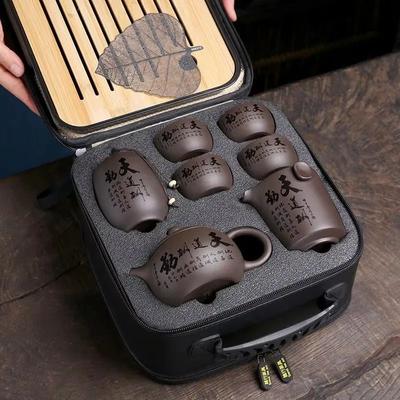
Rare Purchases Five Elements Ceramic Kung Fu Tea Set, Ceramic Mug, Tea Bowl Set, Chinese Master Cup, Ceramic Teacup, Household Gift cElevate your tea experience with the Ceramic Kung Fu Tea Set, a masterpiece that brings together artistry and functionality. This traditional Five Elements Cup set is designed for true tea enthusiasts who appreciate the craft of tea brewing. Whether...109,97 $*Shipping: 0,00 $Secure redirect to the provider
-
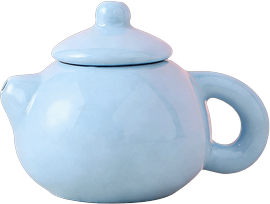
The Handy Homestead Mini Porcelain Teapot Traditional Chinese Style Ceramic Tea Ornament & Home Decor blueDelight in a moment of timeless beauty with this exquisite Chinese style teapot decor piece designed for lovers of culture and refined aesthetics. Crafted with delicate floral motifs and premium ceramic, this mini teapot brings an elegant,...34,97 $*Shipping: 0,00 $Secure redirect to the provider
-
The Handy Homestead Mini Porcelain Teapot Traditional Chinese Style Ceramic Tea Ornament & Home Decor royalblueDelight in a moment of timeless beauty with this exquisite Chinese style teapot decor piece designed for lovers of culture and refined aesthetics. Crafted with delicate floral motifs and premium ceramic, this mini teapot brings an elegant,...34,97 $*Shipping: 0,00 $Secure redirect to the provider



-
When did prokaryotes originate?
Prokaryotes are believed to have originated around 3.5 billion years ago, making them some of the earliest forms of life on Earth. **
-
Are prokaryotes human cells?
No, prokaryotes are not human cells. Prokaryotes are single-celled organisms that lack a true nucleus and other membrane-bound organelles, while human cells are eukaryotic, meaning they have a true nucleus and other membrane-bound organelles. Prokaryotes include bacteria and archaea, while human cells are part of the complex multicellular organism known as Homo sapiens. **
-
Are humans prokaryotes or eukaryotes?
Humans are eukaryotes. Eukaryotes are organisms whose cells have a true nucleus containing their genetic material, while prokaryotes do not have a nucleus. Human cells, like all other animals, plants, fungi, and protists, are eukaryotic cells. **
-
What are prokaryotes and mitochondria?
Prokaryotes are single-celled organisms that lack a nucleus and other membrane-bound organelles. They are typically smaller and simpler in structure compared to eukaryotic cells. Prokaryotes include bacteria and archaea. Mitochondria are membrane-bound organelles found in eukaryotic cells. They are often referred to as the "powerhouses" of the cell because they generate energy in the form of ATP through a process called cellular respiration. Mitochondria have their own DNA and are thought to have originated from a symbiotic relationship between an ancestral eukaryotic cell and a prokaryotic cell. **
What are eukaryotes and prokaryotes?
Eukaryotes are organisms whose cells have a true nucleus, which contains their genetic material. They also have other membrane-bound organelles, such as mitochondria and the endoplasmic reticulum. Examples of eukaryotes include plants, animals, fungi, and protists. Prokaryotes, on the other hand, are organisms whose cells do not have a true nucleus or other membrane-bound organelles. Their genetic material is located in the cytoplasm, and they are typically smaller and simpler in structure compared to eukaryotic cells. Examples of prokaryotes include bacteria and archaea. **
Do prokaryotes have a cell nucleus?
No, prokaryotes do not have a cell nucleus. Prokaryotic cells lack a membrane-bound nucleus that houses their genetic material. Instead, their DNA is found in a region of the cell called the nucleoid. This is one of the key differences between prokaryotic and eukaryotic cells, as eukaryotic cells have a defined nucleus that separates their genetic material from the rest of the cell. **
Top-Angebote
Products related to Prokaryotes:
-
The Handy Homestead Mini Porcelain Teapot Traditional Chinese Style Ceramic Tea Ornament & Home Decor whiteDelight in a moment of timeless beauty with this exquisite Chinese style teapot decor piece designed for lovers of culture and refined aesthetics. Crafted with delicate floral motifs and premium ceramic, this mini teapot brings an elegant,...34,97 $*Shipping: 0,00 $Secure redirect to the provider
-
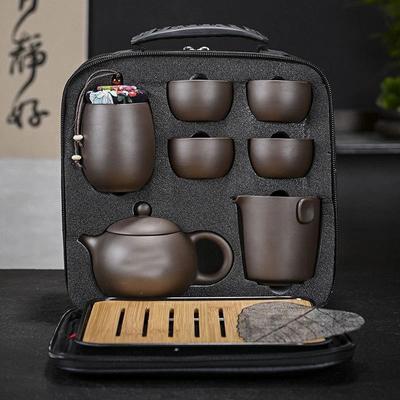
Inspire Select Portable Ceramic Kung Fu Tea Set With Travel Bag Traditional Chinese Gaiwan Tea Ceremony Set with TextBring the elegance of tradition wherever life takes you with this beautifully crafted portable Kung Fu tea set. Designed for tea lovers who value authenticity and convenience, this refined ceramic tea ceremony set includes a classic gaiwan and...132,99 $*Shipping: 0,00 $Secure redirect to the provider
-
Multisell Products Hub Cute Animal Statues, Ceramic Turtle Tea Set Filter, Chinese Kung Fu Tea Set For Decoration Cute Animal Statues, Ceramic Turtle Tea Set Filter, Chinese Kung Fu Tea Set For DecorationAdd a Touch of Elegance to Your Home This Ceramic Turtle Tea Set Filter brings a unique charm to your tea time. Crafted with intricate details, it features a cute animal statue in the form of a turtle. Ideal for those who appreciate both Chinese...53,97 $*Shipping: 0,00 $Secure redirect to the provider
-
Rare Purchases Five Elements Ceramic Kung Fu Tea Set, Ceramic Mug, Tea Bowl Set, Chinese Master Cup, Ceramic Teacup, Household Gift cElevate your tea experience with the Ceramic Kung Fu Tea Set, a masterpiece that brings together artistry and functionality. This traditional Five Elements Cup set is designed for true tea enthusiasts who appreciate the craft of tea brewing. Whether...109,97 $*Shipping: 0,00 $Secure redirect to the provider
-
Are algae prokaryotes?
No, algae are not prokaryotes. Algae are a diverse group of photosynthetic organisms that can be found in various environments, including freshwater and marine habitats. They are eukaryotic organisms, meaning they have a true nucleus and other membrane-bound organelles within their cells. This distinguishes them from prokaryotes, which lack a true nucleus and membrane-bound organelles. **
-
Are amoebas prokaryotes?
No, amoebas are not prokaryotes. Amoebas are eukaryotic organisms, meaning they have a true nucleus and other membrane-bound organelles within their cells. Prokaryotes, on the other hand, are organisms that lack a true nucleus and other membrane-bound organelles. Examples of prokaryotes include bacteria and archaea. **
-
When did prokaryotes originate?
Prokaryotes are believed to have originated around 3.5 billion years ago, making them some of the earliest forms of life on Earth. **
-
Are prokaryotes human cells?
No, prokaryotes are not human cells. Prokaryotes are single-celled organisms that lack a true nucleus and other membrane-bound organelles, while human cells are eukaryotic, meaning they have a true nucleus and other membrane-bound organelles. Prokaryotes include bacteria and archaea, while human cells are part of the complex multicellular organism known as Homo sapiens. **
Similar search terms for Prokaryotes
-
The Handy Homestead Mini Porcelain Teapot Traditional Chinese Style Ceramic Tea Ornament & Home Decor blueDelight in a moment of timeless beauty with this exquisite Chinese style teapot decor piece designed for lovers of culture and refined aesthetics. Crafted with delicate floral motifs and premium ceramic, this mini teapot brings an elegant,...34,97 $*Shipping: 0,00 $Secure redirect to the provider
-
The Handy Homestead Mini Porcelain Teapot Traditional Chinese Style Ceramic Tea Ornament & Home Decor royalblueDelight in a moment of timeless beauty with this exquisite Chinese style teapot decor piece designed for lovers of culture and refined aesthetics. Crafted with delicate floral motifs and premium ceramic, this mini teapot brings an elegant,...34,97 $*Shipping: 0,00 $Secure redirect to the provider
-
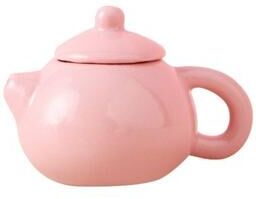
The Handy Homestead Mini Porcelain Teapot Traditional Chinese Style Ceramic Tea Ornament & Home Decor pinkDelight in a moment of timeless beauty with this exquisite Chinese style teapot decor piece designed for lovers of culture and refined aesthetics. Crafted with delicate floral motifs and premium ceramic, this mini teapot brings an elegant,...34,97 $*Shipping: 0,00 $Secure redirect to the provider
-
Inspire Select Portable Ceramic Kung Fu Tea Set With Travel Bag Traditional Chinese Gaiwan Tea Ceremony Set no TextBring the elegance of tradition wherever life takes you with this beautifully crafted portable Kung Fu tea set. Designed for tea lovers who value authenticity and convenience, this refined ceramic tea ceremony set includes a classic gaiwan and...132,99 $*Shipping: 0,00 $Secure redirect to the provider
-
Are humans prokaryotes or eukaryotes?
Humans are eukaryotes. Eukaryotes are organisms whose cells have a true nucleus containing their genetic material, while prokaryotes do not have a nucleus. Human cells, like all other animals, plants, fungi, and protists, are eukaryotic cells. **
-
What are prokaryotes and mitochondria?
Prokaryotes are single-celled organisms that lack a nucleus and other membrane-bound organelles. They are typically smaller and simpler in structure compared to eukaryotic cells. Prokaryotes include bacteria and archaea. Mitochondria are membrane-bound organelles found in eukaryotic cells. They are often referred to as the "powerhouses" of the cell because they generate energy in the form of ATP through a process called cellular respiration. Mitochondria have their own DNA and are thought to have originated from a symbiotic relationship between an ancestral eukaryotic cell and a prokaryotic cell. **
-
What are eukaryotes and prokaryotes?
Eukaryotes are organisms whose cells have a true nucleus, which contains their genetic material. They also have other membrane-bound organelles, such as mitochondria and the endoplasmic reticulum. Examples of eukaryotes include plants, animals, fungi, and protists. Prokaryotes, on the other hand, are organisms whose cells do not have a true nucleus or other membrane-bound organelles. Their genetic material is located in the cytoplasm, and they are typically smaller and simpler in structure compared to eukaryotic cells. Examples of prokaryotes include bacteria and archaea. **
-
Do prokaryotes have a cell nucleus?
No, prokaryotes do not have a cell nucleus. Prokaryotic cells lack a membrane-bound nucleus that houses their genetic material. Instead, their DNA is found in a region of the cell called the nucleoid. This is one of the key differences between prokaryotic and eukaryotic cells, as eukaryotic cells have a defined nucleus that separates their genetic material from the rest of the cell. **
* All prices are inclusive of VAT and, if applicable, plus shipping costs. The offer information is based on the details provided by the respective shop and is updated through automated processes. Real-time updates do not occur, so deviations can occur in individual cases. ** Note: Parts of this content were created by AI.